

When you’re told you need open-heart surgery, everyone talks about the physical side of it. The pain, the scar, the tubes, the months of recovery. And yes, the pain sucked and continues to suck. I hate every second of it. But here’s the thing, I can handle pain. What I wasn’t prepared for, and what no one warned me about, was the mental side of recovery.
Nobody tells you what’s coming after. Nobody prepares you for the emotional crash that follows. And once you’re there, sitting in it, there are no supports. No help. No nothing.
I’ve always been the type of guy who doesn’t cry. Not because I think men shouldn’t cry, but because it’s just never been me. Yet here I was, bawling my eyes out, out of nowhere, with no idea why. The confusion was almost worse than the tears. I didn’t know why I was crying and I didn’t recognize myself.
I’m a part of a few online groups for support for people who have had OHS and I’ve since learned that I’m not alone. In talking with others who have gone through open-heart surgery, I’ve realized this is actually a regular thing. A pattern. Something almost all of us face but hardly any of us talk about.
So why aren’t we preparing people for it? Why isn’t mental health part of the pre-surgery conversation, just as much as the risks, the complications, and the recovery timeline? And even more important, why aren’t there systems in place to support us afterward; counseling, groups, check-ins, something… anything?
We focus so much on the heart as a muscle, as a machine that needs repairing, that we forget it’s also tied to who we are. When it’s cut open, stopped, and stitched back together, it changes something deep inside you, not just physically, but emotionally.
For me, the sadness lasted about four weeks. And that’s what I call it… sadness. I’ve never been depressed, so maybe it was depression, I don’t know, but it was messed up. But then, just as suddenly as it came, it was gone. I feel like myself again mentally and emotionally. Still far from myself physically, but I’m getting there.
Thankfully, I haven’t had to walk this road alone, but I’m sure many do. I have an amazing support system at home. Vic has been my rock through everything we’ve had to go through, all while she’s seven months pregnant. My mom came to visit and help which was so amazing. John has been such a leader, a friend, and a support. I’ve had an endless list of friends sending texts to check in. And my boys… having them here and around me has just been so good for my soul. And above all, I’ve had my true rock: God and prayer.
Because of everything I’ve been through and everything I see happening with others, I applied to be a part of something called the Canadian CHD Lived Experience Council. There were 250 applicants and only 10 of us accepted, so I’m very proud to be a part of this. The council brings together people who have lived through congenital heart disease; patients, parents, and caregivers, to share their experiences directly with healthcare providers, researchers, and policymakers. The goal is to ensure that the voices of those most affected by CHD help shape the care, policies, and awareness efforts moving forward.
One of the three pillars I’ll be advocating for is exactly this: mental health. No one prepares us for the emotional aftermath of congenital heart disease and open-heart surgery, and that needs to change.
The other pillars I’ll be focusing on are:
-
Early screening — because CHD affects 1 in 100 people, and yet we currently screen for conditions that don’t even hit those numbers.
- Navigating CHD care from a remote location in Canada — and the unique difficulties that come with it.
This isn’t just about my journey anymore. It’s about making sure others, including my kids if they end up with BAV, don’t face the same blind spots, delays, and missing supports that I did.
The pain was hard. The weakness was harder. But the mental crash was the part I was least prepared for. And if I can use my story to help even one person know they’re not alone, then maybe this fight will have purpose far beyond my own recovery.
Share This Story, Choose Your Platform!
Ad


Ad

Products
-
 8 Week Full Body Aesthetics & Strength Program (PDF)
Original price was: $100.00.$49.99Current price is: $49.99.
8 Week Full Body Aesthetics & Strength Program (PDF)
Original price was: $100.00.$49.99Current price is: $49.99.
-
 The Ultimate Meal Prepping Guide - FREE
Original price was: $100.00.$0.00Current price is: $0.00.
The Ultimate Meal Prepping Guide - FREE
Original price was: $100.00.$0.00Current price is: $0.00.
-
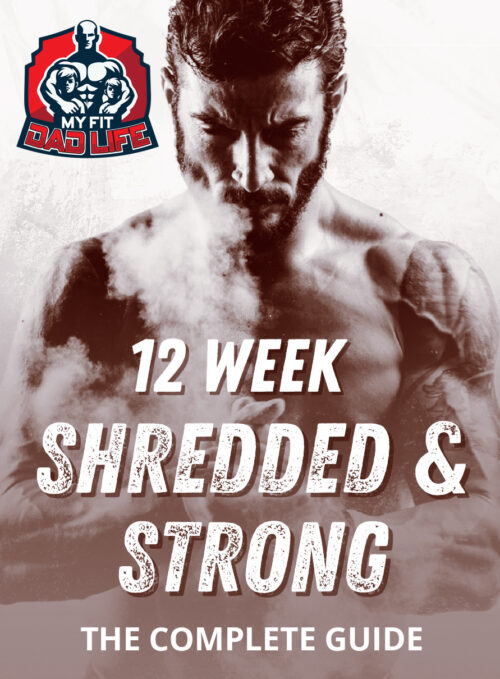 12 Week Shredded & Strong (PDF)
Original price was: $100.00.$49.99Current price is: $49.99.
12 Week Shredded & Strong (PDF)
Original price was: $100.00.$49.99Current price is: $49.99.